Introduction to AI in Daily Life
Artificial Intelligence (AI) is no longer a concept confined to science fiction movies; it has become an indispensable, deeply integrated part of our daily routines. From the moment we wake up and check our smartphones to the time we wind down with a smart home routine, AI is constantly working behind the scenes. Its primary purpose in our daily lives is to make tasks easier, faster, smarter, and significantly more efficient. Whether we realize it or not, AI algorithms are learning our preferences, predicting our needs, and automating tedious tasks, allowing us to focus on what truly matters.
The beauty of AI in our everyday lives lies in its seamlessness. We rarely interact with "AI" as a standalone entity; instead, we interact with applications, devices, and services that are powered by AI. This integration has revolutionized how we communicate, work, entertain ourselves, and even how we manage our health. In this comprehensive guide, we will explore the profound impact of Artificial Intelligence across various facets of our daily lives, examining how it works and why it has become so essential.

Smart AI Virtual Assistants
Perhaps the most recognizable face of AI in our homes and pockets is the virtual assistant. AI-powered assistants like Apple's Siri, Google Assistant, and Amazon's Alexa have transitioned from simple voice command tools to proactive daily organizers. These systems utilize Natural Language Processing (NLP) to understand human speech, decipher intent, and execute complex commands.
We use them to schedule meetings, set reminders, check the weather, and search the internet—all completely hands-free. But their capabilities extend far beyond simple queries. They act as the central hub for smart homes, allowing us to control lighting, thermostats, security cameras, and appliances with a simple voice command. Over time, these assistants learn our routines. For example, your assistant might notice you typically turn off the lights and set the alarm at 10 PM, and it will begin suggesting or automating these actions, creating a truly personalized living environment.
Personalized Recommendation Systems
Have you ever wondered how Netflix always seems to know exactly what movie you want to watch next, or how Spotify creates the perfect playlist for your mood? This is the magic of AI-driven recommendation systems. These complex algorithms analyze massive amounts of data based on your past behavior, search history, and even the time of day you engage with content.
On e-commerce platforms like Amazon, AI analyzes your browsing history, purchase history, and items left in your cart to suggest products that are highly relevant to your interests. On social media platforms like Instagram and TikTok, AI curates your feed, keeping you engaged by predicting the type of content you are most likely to interact with. By doing so, AI saves us countless hours of searching and scrolling, providing a highly tailored digital experience that feels almost intuitive.
Revolutionizing Healthcare & Fitness
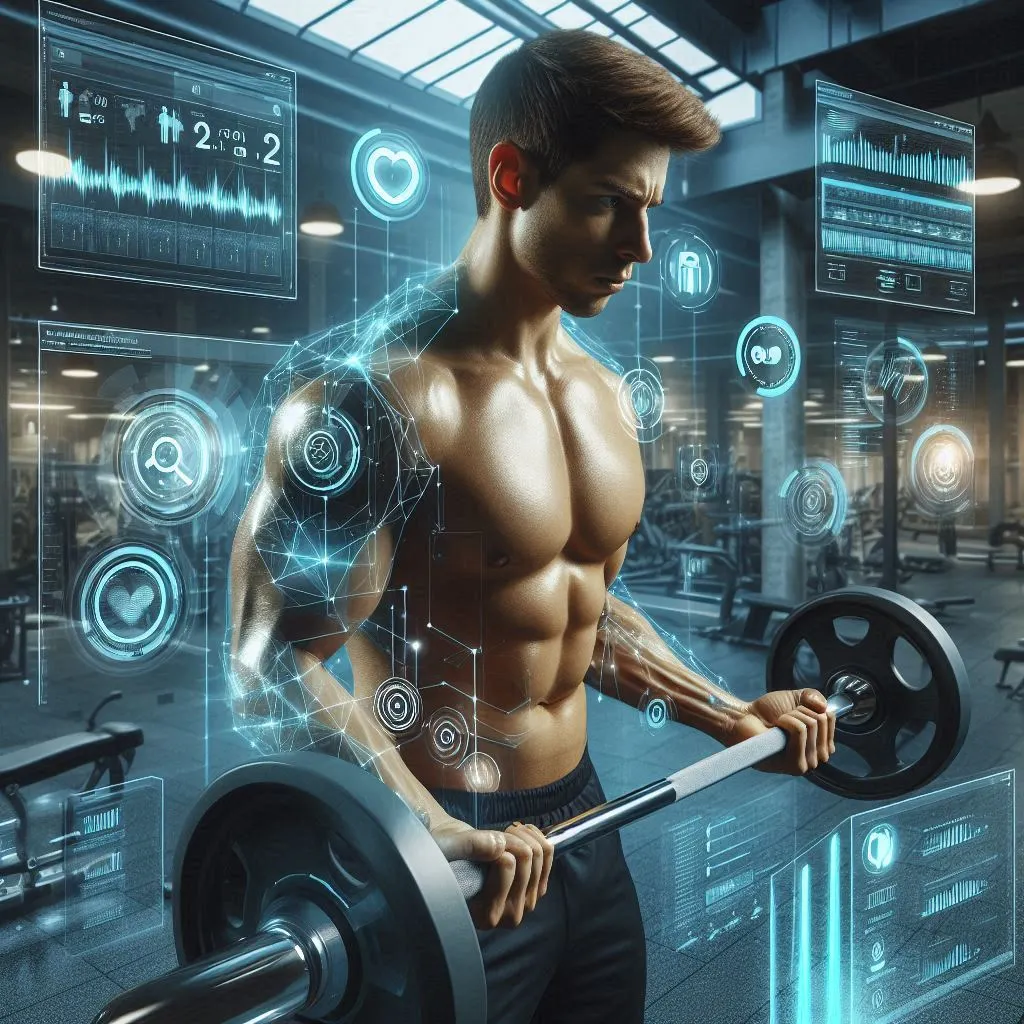
The integration of AI into healthcare and personal fitness has been nothing short of revolutionary. On a personal level, AI-powered wearables like smartwatches and fitness trackers are constantly monitoring our vital signs. They track our heart rate, blood oxygen levels, daily steps, and even the quality of our sleep. Using machine learning, these devices can detect irregular heart rhythms (like atrial fibrillation) and alert the user long before a serious medical event occurs.
Beyond personal fitness, AI is transforming the medical industry. AI algorithms are now capable of analyzing medical images, such as X-rays and MRIs, with a level of speed and accuracy that rivals human experts. They assist doctors in diagnosing diseases earlier, predicting patient outcomes, and even discovering new drugs and treatments. In fitness apps, AI acts as a virtual personal trainer, creating custom workout and diet plans that adapt dynamically based on your progress and feedback.
The Future of Transportation & Navigation
AI has fundamentally altered how we get from point A to point B. Navigation apps like Google Maps and Waze rely heavily on artificial intelligence to provide the fastest routes. They analyze real-time traffic data, historical traffic patterns, road closures, and user reports to reroute you dynamically, saving you time and reducing frustration.
Ride-sharing services like Uber and Lyft use AI to match riders with drivers efficiently, predict wait times, and even optimize pricing based on demand. Furthermore, the automotive industry is on the brink of a massive shift due to AI: autonomous vehicles. Self-driving cars use a complex array of sensors, cameras, and AI algorithms to perceive their environment, make split-second decisions, and navigate safely without human intervention. While fully autonomous cars are still being perfected, features like adaptive cruise control, lane-keeping assist, and automatic emergency braking are already saving lives on the road today.
Enhancing Online Shopping and Customer Service
AI is transforming the retail sector, particularly in e-commerce and customer support. When you visit a website and a chat window pops up asking if you need help, you are likely interacting with an AI chatbot. These chatbots use NLP to understand customer inquiries, provide instant answers to common questions, process returns, and even assist with purchases. They provide 24/7 support, significantly improving customer satisfaction.
Behind the scenes, retailers use AI for inventory management, predicting demand for specific products, and optimizing supply chains. This ensures that the products you want are always in stock and delivered to you as quickly as possible. AI is also powering virtual try-ons, allowing customers to see how clothes or glasses look on them using augmented reality (AR) before making a purchase.
Conclusion: Embracing an AI-Driven World
Artificial Intelligence is no longer a distant vision of the future — it is very much our present reality. It empowers us daily by automating mundane tasks, assisting us in making better decisions, and enhancing our overall lifestyle. While the rapid advancement of AI brings up important conversations about privacy and ethics, the undeniable truth is that it has made our lives significantly more convenient, safe, and connected.
As AI technology continues to evolve, we can expect it to become even more deeply intertwined with our daily routines. Embracing AI means embracing a future where technology works harmoniously with humanity, solving complex problems and unlocking new levels of human potential. Stay tuned to DipeshITsolution for more insights into how technology is shaping our world.